
Plan Your Jawai Trip
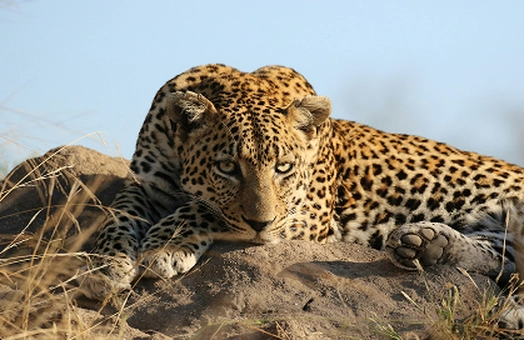
Jawai Safari Booking
Book open gypsy safari with experienced naturalists and local drivers.
Book Safari →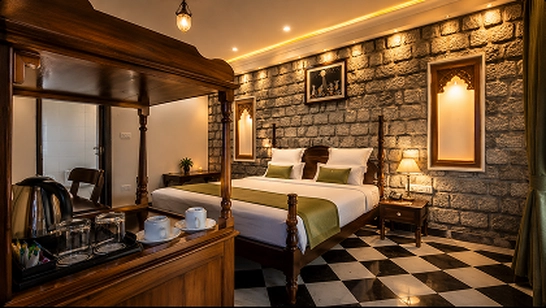
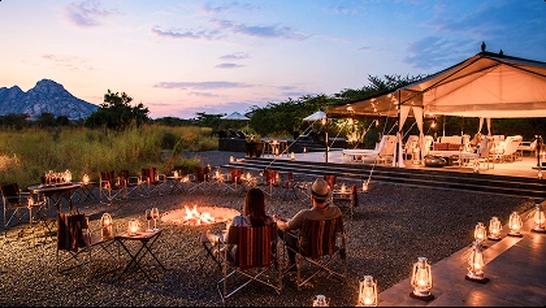
Jawai Tour Package
Curated Jawai tour packages for couples, families and small groups.
Explore Packages →A Unique Leopard Habitat in Rajasthan's Rocky Hills
Rocky Terrain and Natural Caves
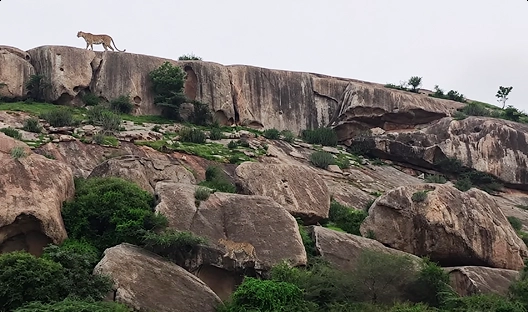
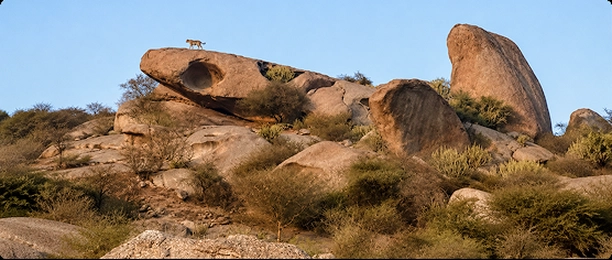
Scenery is one of the first things seen by anyone visiting the Jawai Leopard Reserve. Unlike other places that have large trees and dense forest cover, what you will find here are large granite hills, black rocks, grasslands, and several caves. These caves provide a place for the leopards and striped hyenas to sleep during the day.
You will find rocky tracks, open areas, and village roads throughout your journey inside the reserve. With an open area around, it becomes easy for visitors to explore the views and the wildlife present. It is one of the many reasons why people opt for a Jawai Rajasthan safari.
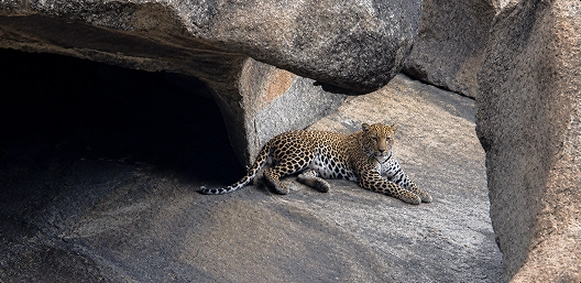
Leopard Movement Around Jawai Hills
Undoubtedly, the main attraction in the Jawai Leopard Conservation Reserve is its leopards. Unlike other wildlife parks where the animals live in reserved areas, leopards can be found in the hills and caves that are not fenced. Seeing these creatures in their natural habitat is quite an exciting experience for everyone. These leopards are active mainly in the morning and evening periods.
During these hours, they leave caves and walk on the rocks and fields near the park in order to feed themselves. This is the reason why safaris at sunrise and sunset are so popular among tourists. People have been living here for a long time and have managed to maintain harmony with leopards Before selecting a route, compare Bera and Sena in our Jawai safari zones guide .
Wildlife Photography Opportunities
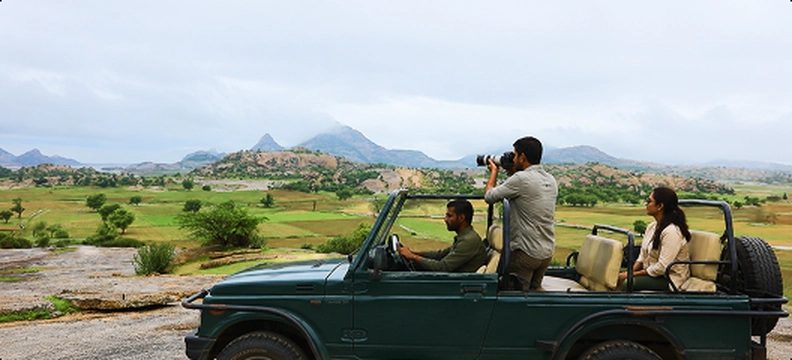
If photography is your hobby, you should try out the Jawai leopard safari. The reason behind that since there are many open rocky spaces rather than dense forest cover, the chances for the photographer to get good views of the animals and scenery are higher.
These safaris are carried out using open gypsies, and there are drivers and guides who are locals of the place. Along with leopards, other species that can be seen here include the striped hyena, sloth bear, wolves, chinkara, jackals, and even crocodiles at times. As all these animals exist in their natural habitat, each safari will be different.
Best Time to Visit Jawai
| Season | Months | Weather | Safari Experience | Best For |
|---|---|---|---|---|
 Winter Season
|
November to February | Pleasant and comfortable weather | This is the best time to visit Jawai Leopard Conservation Reserve. Safari rides are comfortable, leopards are more active, and migratory birds can be seen near Jawai Bandh. | Leopard sightings, birdwatching, photography, family trips |
.svg) Summer Season
Summer Season
|
March to June | Hot and dry weather | Summer can be quite hot, but wildlife sightings can still be good because animals often come near water sources during the day. Wildlife lovers can plan safaris if they are comfortable with the heat. | Wildlife sightings, leopard safari, serious wildlife photographers |
.svg) Monsoon Season
Monsoon Season
|
July to September / October | Rainy and slippery roads | Safari operations are usually closed or limited during monsoon because heavy rain makes the routes difficult and unsafe for driving. Travelers should check the latest safari schedule before planning. | Best for a nature view and relaxation in the resort. |
.svg) Post-Monsoon Season
Post-Monsoon Season
|
October to November | Fresh greenery and improving weather | The landscape becomes beautiful after the rains. Safari availability depends on local conditions, so it is better to confirm the latest schedule before booking. | Nature views, photography, early-season travel |
| For detailed season-wise planning, explore our Best Time to Visit Jawai guide before booking your safari. | ||||
Jawai Bandh and the Scenic Side of Jawai
Jawai Dam Views
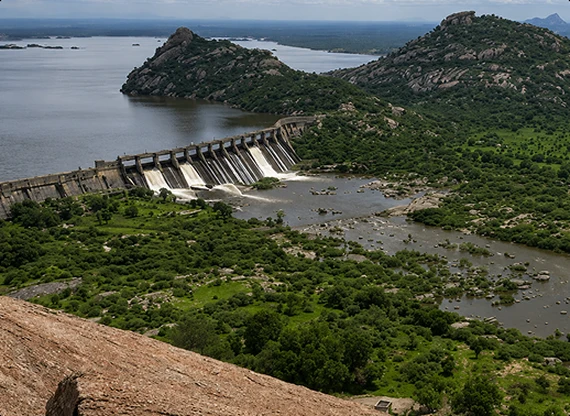
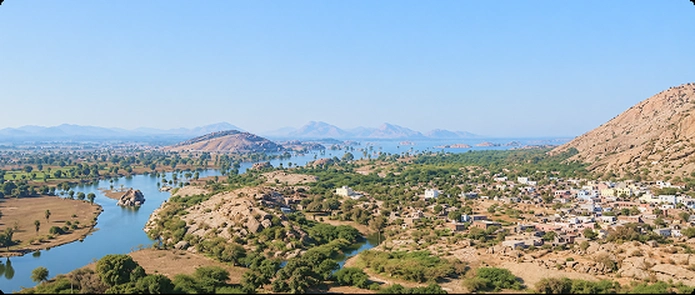
No trip to the Jawai Leopard Conservation Reserve feels complete without visiting Jawai Bandh . Also known as Jawai Bandh Rajasthan, this famous dam was built on the Jawai River between 1946 and 1957. It is the largest dam in western Rajasthan and plays an important role in storing water for nearby areas.
However, this Dam is not only famous, but it is also one of the most peaceful places in the Jawai Bandh region. The calm water, rocky hills, and open views make it a perfect stop during your trip. Many visitors like to spend some quiet time here before or after their safari.
If you visit during the rainy season, you may see water flowing over the dam, which makes the view even more beautiful. During the rest of the year, the peaceful surroundings and fresh air make this place worth visiting. It is also a nice spot for families, couples, and photographers who want to enjoy the natural beauty of Jawai Rajasthan.
Bird Watching Around Jawai
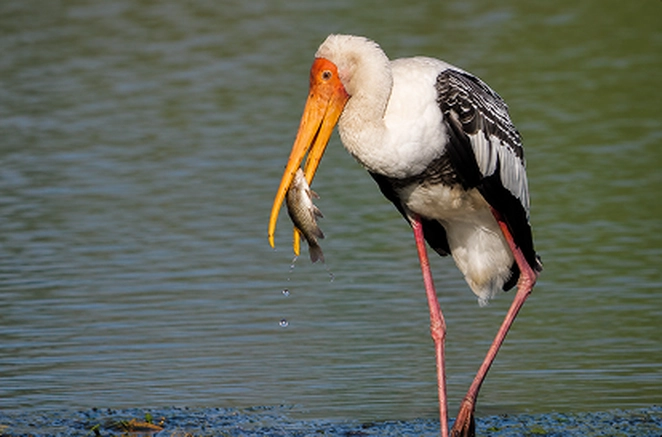
If you love birds, you will enjoy visiting the area around Jawai Bandh. Every winter, many migratory birds arrive here from different parts of the world. This makes the region a popular birdwatching destination.
During your visit, you may spot flamingos, cranes, Demoiselle cranes, geese, bar-headed geese, ruddy shelducks, and different kinds of gulls. Watching these birds near the water is a peaceful experience, especially during the early morning.
The area is also home to many resident birds throughout the year. Rock eagle owls, vultures, falcons, shikras, and black-winged kites can often be seen around the rocky hills. From November to March, many visitors join early morning birdwatching trips because this is the best time to see both migratory and local birds. If you enjoy nature photography, you will find many good opportunities here.
Sunset and Photography Points
Evening is one of the best times to enjoy Jawai Rajasthan. As the sun begins to set, the granite hills, open landscape, and the water around Jawai Bandh Rajasthan create wonderful views
Many visitors stop at popular viewpoints to relax and take photographs before the day ends. The changing colours of the sky and the quiet surroundings make this a favourite time for many travellers.
Safari vehicles return before it becomes dark because safari entry is not allowed after sunset. Even after the safari ends, many visitors spend a little more time near Jawai Bandh to enjoy the peaceful atmosphere before heading back to their stay.
How to Reach Jawai
Jawai is easily accessible by air, train, and road from major cities like Jodhpur, Udaipur, Ahmedabad, Jaipur, Delhi, and Mumbai. Visitors can reach the nearest airport or railway station and then continue to Jawai by taxi, private cab, or hotel transfer.
| Travel Mode | Nearest / Popular Option | Approx. Distance | Best For |
|---|---|---|---|
| By Air | Jodhpur Airport | Around 153 km | Nearest airport for Jawai |
| By Air | Udaipur Airport | Around 160–170 km | Travellers from major Indian cities |
| By Train | Mori Bera Railway Station | Around 4 km | Nearest railway station |
| By Train | Jawai Bandh Railway Station | Around 20–25 km | Budget-friendly train travel |
| By Road | Udaipur to Jawai | Around 160–170 km | Comfortable road trip |
| By Road | Jodhpur to Jawai | Around 153 km | Private taxi or cab journey |
| By Road | Mount Abu to Jawai | Around 95–110 km | Short road transfer |
| By Road | Ahmedabad to Jawai | Around 260–280 km | Travellers from Gujarat |
Wildlife and Village Life Around Jawai
Rabari Culture
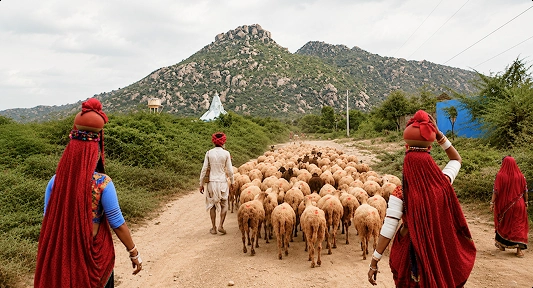
The visit to the Jawai Leopard Conservation Reserve is more than an opportunity to encounter wildlife. It provides the opportunity to familiarize oneself with the locals. The Rabari people are renowned in this area. They mostly engage in activities such as cattle rearing, farming, dairying, and pottery making.
The locals live a simple lifestyle with a deep love for nature. What makes Jawai special is that the interaction between the Rabari people and leopards has been peaceful for many years. The locals and leopards co-exist in the same landscape without any conflict. This is due to the fact that locals have a lot of respect for wildlife and regard it as an integral part of the environment.
Village Landscape
The villages around the reserve are simple, clean, and full of local charm. While traveling through the region, you will come across farms, hilly terrain, small buildings, and open fields. The region is one where life goes on at a slow and peaceful pace.
Many visitors enjoy spending a little time in these villages after their safari. It gives them a chance to meet local families, see traditional farming, and learn about everyday village life. People are often happy to share stories about the wildlife they have seen over the years.
These village visits add something special to every Jawai tour package . Along with exciting safari drives, visitors also get a chance to experience the local culture and understand what makes this region so unique.
Responsible Wildlife Tourism
Protecting nature is an important part of every visit to the Jawai Leopard Conservation Reserve. Local villagers, trained trackers, and safari operators work together to make sure that tourism does not disturb the animals.
A Jawai leopard safari is conducted in private open gypsies, and the number of safari vehicles is controlled to reduce pressure on wildlife. This helps keep the environment peaceful for both animals and visitors.
Some rules need to be followed by everyone who visits the reserve. Loud music, shouting, blowing horns, feeding animals, carrying firearms, bringing pets, and getting out of the safari vehicle are not allowed. These rules help keep Jawai wildlife safe and allow everyone to enjoy the safari in a responsible way.
Before travelling, review the complete Jawai safari do’s and don’ts . When visitors follow these guidelines, they help protect this beautiful place for future generations while also enjoying a safe and memorable wildlife experience.
.png)
FAQs About Jawai Leopard Conservation Reserve
Jawai Leopard Conservation Reserve is in Rajasthan's Pali District. It is surrounded by granite hills, small villages, natural caves, and the famous Jawai Bandh.
Leopard sightings may happen during safari, but they depend on timing, route, weather and natural animal movement. No wildlife sighting is guaranteed.
The best time to visit is from November to February. The weather is pleasant, wildlife is active, and many migratory birds can be seen around Jawai Bandh Rajasthan.
A stay of two to three days is enough for most visitors. This gives you enough time to enjoy multiple safaris, visit Jawai Bandh, explore nearby villages, and relax in nature For ready-made short itineraries, explore our Jawai tour packages.
No. Leopards are wild animals, so nobody can promise a sighting. However, many visitors are lucky enough to see them during their safari.
Both places offer wonderful wildlife experiences. Many travellers include both the Jawai Leopard Conservation Reserve and a Bera leopard safari in the same trip to enjoy different safari routes and landscapes.
You can drive from Udaipur to Jawai in about 174 kilometers. You can also take a train to Falna Railway Station or Jawai Bandh Railway Station and then continue by taxi.
Yes. Jawai is a great destination for families, couples, photographers, solo travellers, and nature lovers. A visit to Jawai Rajasthan offers exciting safari rides, peaceful village visits, birdwatching, and beautiful views that people of all ages can enjoy.